
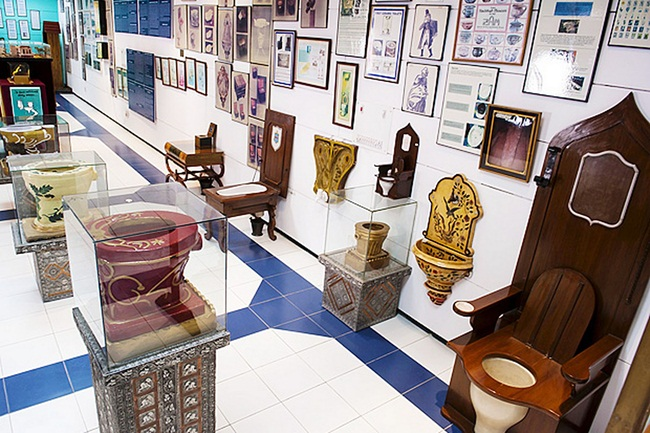
The toilet is a fixture that is necessary for daily life, yet its historical development is frequently disregarded. The toilet has experienced major changes in both form and function from prehistoric societies to the present.
The Indus Valley Civilization, which flourished from 3300 BC to 1300 BC, is one of the earliest civilizations to have used toilets. Simple pits dug into the earth served as the earliest toilets, which were frequently utilized by entire towns. Similar to this, public restrooms were widespread in ancient Rome and frequently consisted of a bench with holes over a channel of flowing water.
In Europe, the toilet underwent a change toward more private facilities during the Middle Ages. Large mansions and castles frequently had toilets in separate chambers with a seat and a hole that led to a chute that went outside. However, chamber pots were still frequently used in smaller homes and were frequently dumped onto the street from a balcony or window.
The toilet started to resemble something more akin to what we are familiar with in the 16th and 17th centuries. Sir John Harington created the first flushing toilet in England in 1596. Similar to this, King Louis XIV of France is rumored to have had a flushing toilet in his Versailles residence.
The toilet didn’t undergo substantial hygienic and sanitary advancements until the 19th century. J. F. Brondel, an American inventor, created the first functional toilet in 1851. This toilet used a trap to keep sewer gas out of the house. Sanitation was further enhanced with the development of the S-trap, which exploited a bend in the pipe to form a water seal.
Modern toilets are more water-efficient than older versions, consuming less water overall. Additionally, a lot of contemporary toilets have amenities like heated seats, bidet features, and automatic flushing. Even though it has advanced greatly from its early days, the toilet is still a necessary part of everyone’s daily lives.