
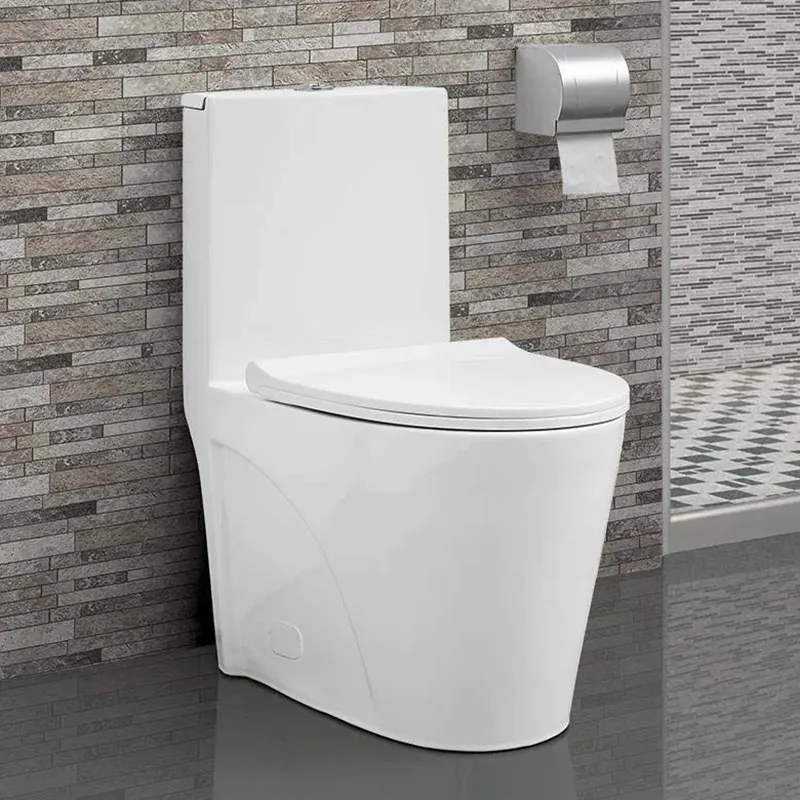
Those with some pottery experience could find making a ceramic toilet to be a difficult but gratifying undertaking. The general procedures for building a ceramic toilet are listed below.
Step 1: Design the toilet.
The design of the toilet itself is the first step in creating a ceramic toilet. This will entail choosing the toilet’s general style and dimensions as well as where to put its various parts, including the bowl, tank, and seat. Once you are certain of the design you want for the toilet, you can start to draft blueprints or sketches to direct the building process.
Step 2: Get the Clay Ready
The clay that will be used to build the toilet must now be prepared. To ensure that it is simple to work with, the clay must be of a high caliber and be well-tempered. To make the clay more malleable, you might need to add extra water, but be careful not to overdo it or it will be challenging to form.
Step 3: Create the Bowl
The different parts of the toilet can be built once the clay has been properly prepared. Start with the toilet bowl, which is typically the most complicated component. The clay must first be formed into the proper shape using a potter’s wheel, and then the essential finishing touches, like the rim and drain, must be added using a variety of tools.
Step 4: Create the Tank and Other Components
Making the toilet’s other parts, such as the tank and seat, comes after you’ve finished making the bowl. Even though these parts are typically simpler than the bowl, careful attention to detail is still necessary to make sure they fit together properly.
Step 5: Fire the components
To solidify the clay and make it sturdy enough to be used as a toilet, all of the components must be burned in a kiln after they have been made. Depending on the number and complexity of the components, this operation could take several hours.
Step 6: Put the toilet together
You can start putting the toilet together as soon as all of the parts have been fired and are ready to use. To do this, first secure the tank to the bowl before securing the seat to the bowl. To guarantee that the parts are firmly bonded, use a high-quality adhesive.
Step 7: Complete the toilet
The toilet can then be finished by include any essential finishing touches, like a glaze or coat of paint. This will make the toilet more aesthetically beautiful and prevent it from harm.
Conclusion
Those with some pottery experience could find making a ceramic toilet to be a difficult but gratifying undertaking. You should be able to make a high-quality toilet that is both practical and elegant by following these general instructions.